Location: India |Date: September 2025
Read Time: 3–4 minutes
Summary:
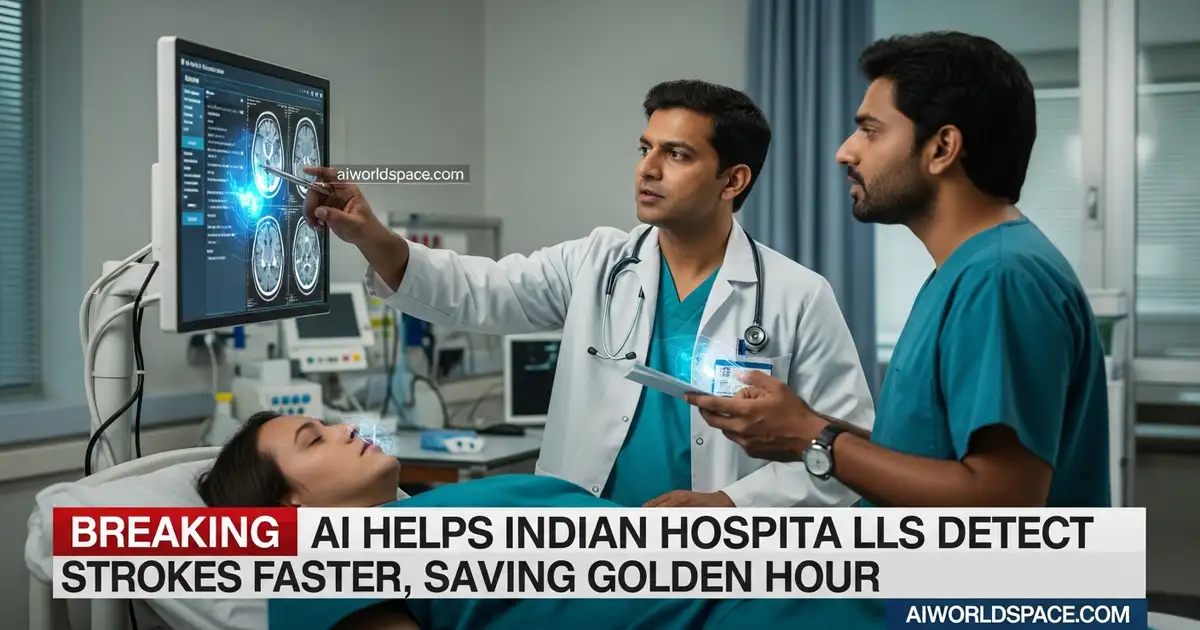
Artificial Intelligence is quietly transforming stroke care in Indian hospitals. According to Dr. Devi Shetty, Founder of Narayana Health, AI-driven diagnostic tools are now helping doctors detect strokes within minutes — a breakthrough that is dramatically improving survival rates by preserving the critical “golden hour” for treatment.
How AI Is Changing Stroke Response in Real Time
In a post shared on X, Dr. Devi Shetty highlighted how AI systems are now being used inside Indian hospitals to flag stroke cases almost instantly. Traditionally, stroke diagnosis often depended on manual scans, specialist availability, and interpretation delays — precious time that many patients simply did not have.
AI tools are now analysing brain scans and clinical data in real time, alerting medical teams within minutes if a stroke is detected. This early warning allows doctors to begin clot-busting treatment or surgical intervention far sooner than before.
Also Read-
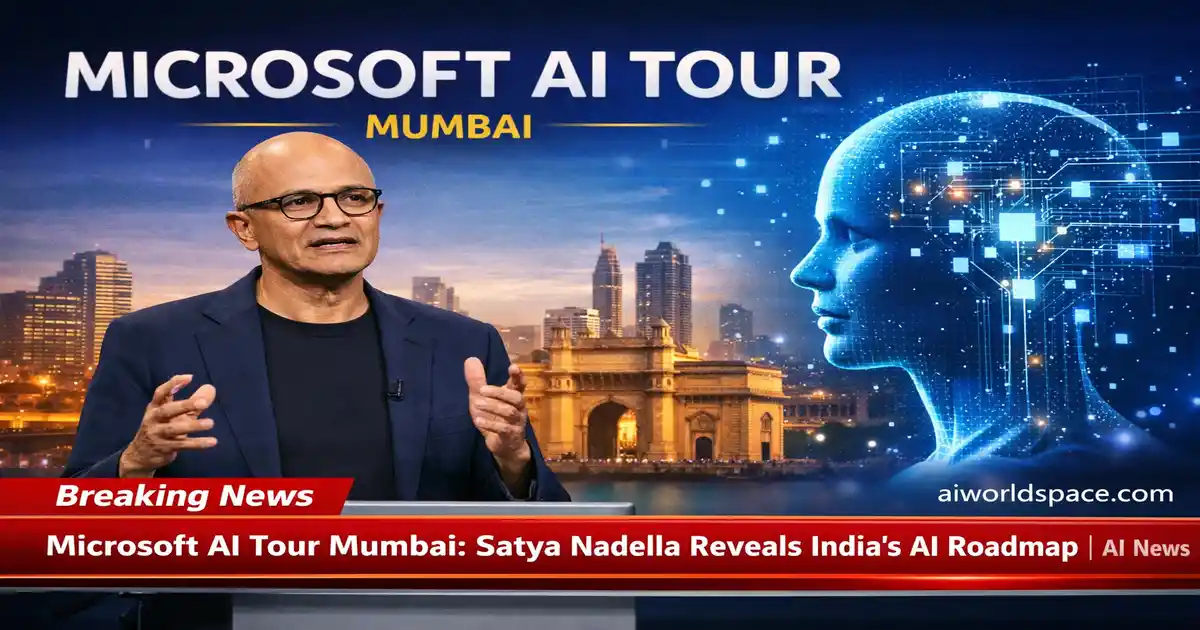
Microsoft AI Tour Mumbai: Satya Nadella Outlines Big AI Roadmap for India
For stroke patients, every minute matters. Medical studies estimate that nearly two million brain cells die every minute during an untreated stroke. By compressing diagnosis time, AI is effectively buying patients a second chance.
The ‘Golden Hour’ Advantage
The “golden hour” — the first 60 minutes after stroke onset — is widely regarded as the most crucial window for saving life and preventing long-term disability. Dr. Shetty noted that AI-enabled systems are now making it possible to act within this window far more consistently, even in busy or resource-stretched hospitals.
This shift is particularly significant for India, where stroke cases are rising steadily and access to neurologists is uneven across regions. AI acts as a force multiplier, supporting doctors rather than replacing them.
Impact Across Indian Hospitals
According to Dr. Shetty, these AI tools are already being deployed in major hospital networks, helping save thousands of lives every year. Beyond survival, early treatment also reduces paralysis, speech loss, and long-term rehabilitation needs — easing the burden on families and the healthcare system.
What makes this development notable is that it is not a pilot or lab experiment. It is already functioning on hospital floors, integrated into daily clinical workflows.
Why This Matters Now
As India faces growing pressure on its healthcare infrastructure, AI-driven diagnosis offers a practical solution — faster decisions, better outcomes, and scalable care. Dr. Shetty’s remarks underline a larger shift: AI in healthcare is no longer futuristic. It is quietly becoming essential.
Also Read- Nvidia’s Stock Climbs Ahead of Q2 Results: Is the AI Giant About to Break Records Again?