Location: New Delhi, India |Date: September 2025 |Read Time: 4–5 minutes
Summary:
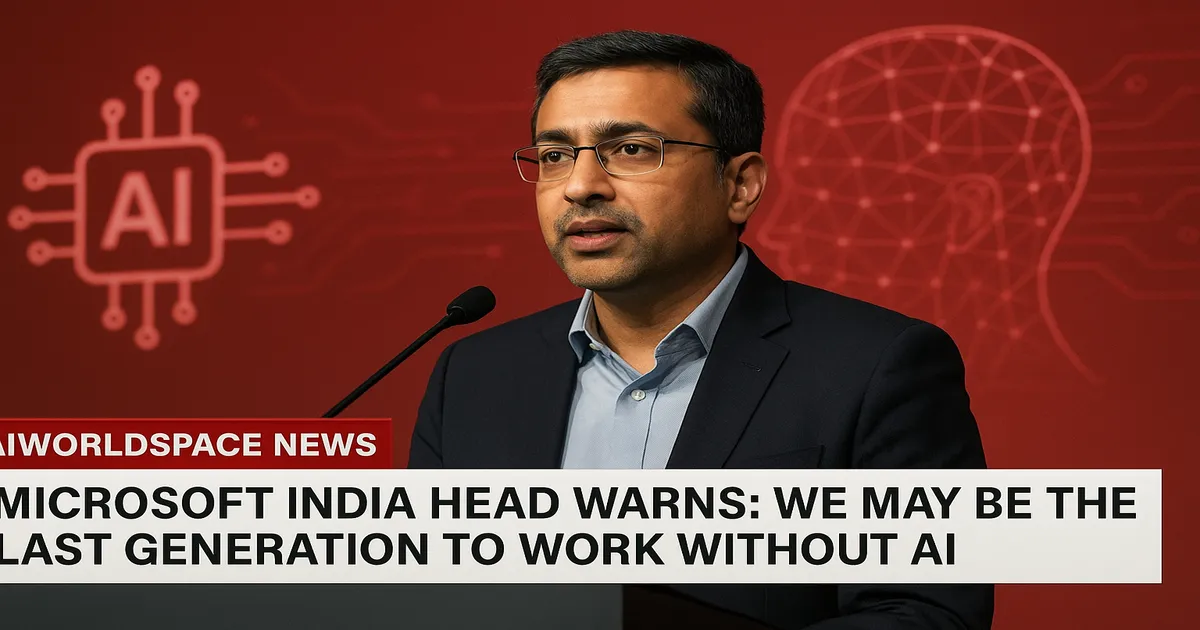
Artificial intelligence will not just change how people work—it will redefine what work even means. That was the clear message from Puneet Chandok, President of Microsoft India, who said today’s workforce could be the last generation to experience jobs without deep AI involvement.
“AI Will Be Present in Every Role”
Speaking at a recent industry interaction covered by The Times of India, Chandok addressed growing concerns around AI replacing jobs. His message, however, was not framed as a warning—but as a reality check.
According to Chandok, AI is moving beyond automation and entering a phase where it becomes a co-worker rather than a tool. From software development and customer service to marketing and finance, AI systems are already assisting humans in decision-making and execution.
“We are possibly the last generation to work without AI being deeply embedded in every role,” Chandok said.
Job Loss or Job Evolution?
While fears of job losses continue to dominate public discussion, Chandok offered a more balanced perspective. He acknowledged that certain repetitive tasks will disappear, but argued that AI will also create entirely new categories of work.
Roles will evolve rather than vanish, he explained. Employees who adapt—by learning how to work alongside AI—will remain relevant. Those who resist change may find it harder to stay competitive.
“Every technological shift has changed jobs, not eliminated work altogether,” he added, drawing parallels with the internet and mobile revolutions.
Why India Faces a Bigger Turning Point
For India, the shift could be more dramatic. With a young workforce and millions entering the job market each year, AI adoption will play a decisive role in shaping employment.
Chandok stressed that AI skills will soon be as fundamental as basic computer literacy. He urged educational institutions, companies, and policymakers to act quickly.
Microsoft, he noted, is already investing heavily in AI skilling programs across India, working with universities, startups, and government bodies to prepare workers for an AI-first future.
Skills That Will Matter Most
Instead of focusing only on technical roles, Chandok highlighted the importance of human skills—critical thinking, creativity, problem-solving, and ethical judgment.
AI may write code or analyze data, but humans will still be needed to guide intent, apply context, and make final decisions.
“The future belongs to people who can ask the right questions, not just those who know the right answers,” he said.
The Bigger Picture
Chandok’s remarks echo a growing consensus among global tech leaders: AI is no longer optional. It is becoming a foundational layer of work itself.
As companies rush to deploy AI tools and governments race to frame regulations, one thing is clear—the nature of jobs is changing faster than ever before.
For today’s workforce, the challenge is not whether AI will replace jobs—but whether people can evolve quickly enough to stay ahead of it.
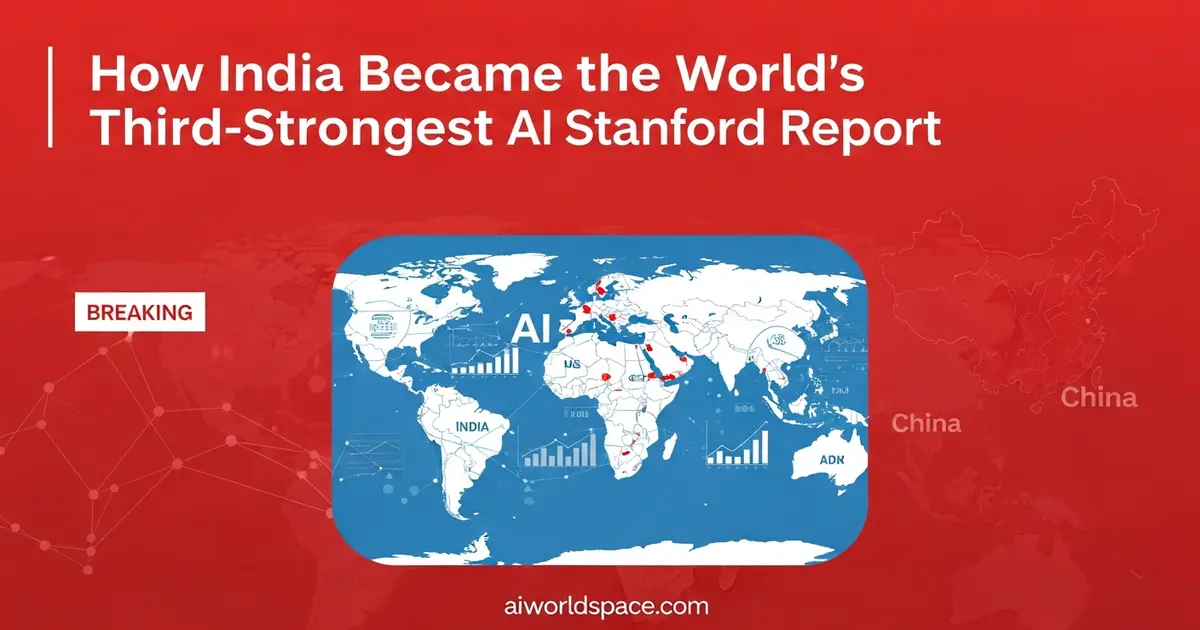
Also Read:- India Leaps to Third in Global AI Competitiveness: Stanford Report Highlights Talent-Driven Rise