Location: Brussels | Date: 18 July 2025 | ⏱️ Read Time: 3 mins
Summary:
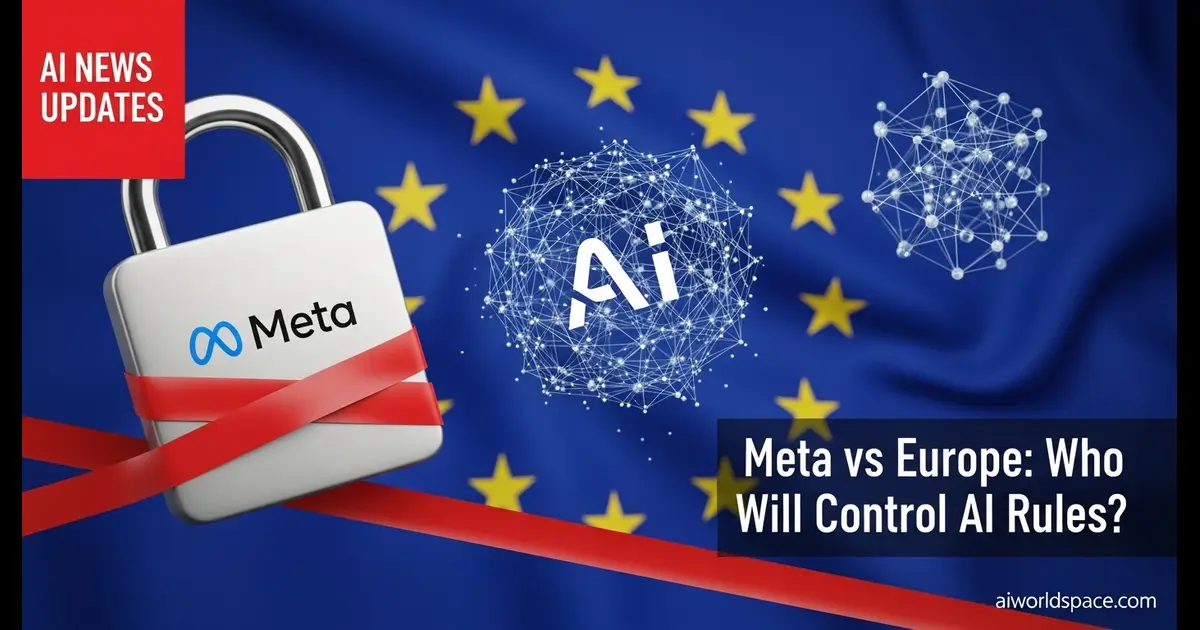
Meta has refused to sign the European Union's voluntary AI Code of Practice, sparking controversy over its intentions. While the EU sees it as a step toward safer AI, Meta believes it’s an overreach that could throttle innovation.
In a bold move, Meta — the parent company of Facebook and Instagram — has declined to sign the European Union’s new voluntary AI Code of Practice, a major framework designed to make artificial intelligence safer and more transparent. The social media giant argues that the EU’s expectations are “vague,” “broad,” and ultimately risk stifling technological progress.
What Is Meta Really Afraid Of in Europe’s AI Pact?
This makes Meta the only major tech player so far refusing to back the European Commission’s voluntary pact. Giants like Google, OpenAI, Microsoft, and Amazon have already signed on — even as they continue to voice concerns over long-term regulations.
Meta, however, is taking a firmer stance. The company insists it already adheres to stringent global standards on AI transparency and bias mitigation. In its statement, Meta said that being part of this code would duplicate existing efforts and “slow down innovation without meaningful safeguards.”
But EU officials see it differently. They believe Meta is trying to sidestep early accountability, especially as the full EU AI Act — a legally binding regulation — looms closer, set to roll out by mid-2026. Meta’s resistance may trigger tougher scrutiny from European regulators already at odds with the company over data privacy and content moderation.
Why This Matters for Global Tech and AI Governance
Meta’s refusal is not just a bureaucratic disagreement — it’s a flashpoint in the global AI regulation debate. At its core is a growing tension between rapid innovation and ethical responsibility. If a tech giant can reject voluntary AI safety norms, what message does that send to emerging startups or authoritarian regimes racing ahead with unchecked AI?
Moreover, the refusal could create fractures in global AI alignment, especially between the U.S. tech ecosystem and the EU’s human-first regulatory framework. This divide could affect everything from algorithmic audits to generative AI deployment in healthcare, defence, and education.
Also read: Did Google’s AI Just Outsmart Hackers Before They Even Attacked?