Summary:
Artificial Intelligence is rapidly expanding beyond coding and chatbots into fields once thought untouchable — medicine, law, and corporate consulting. From drafting legal briefs to diagnosing rare illnesses, AI is challenging the expertise of highly paid professionals, raising new questions about the future of work.
Location: New York | Date: October 2, 2025 | Read Time: ~4 minutes
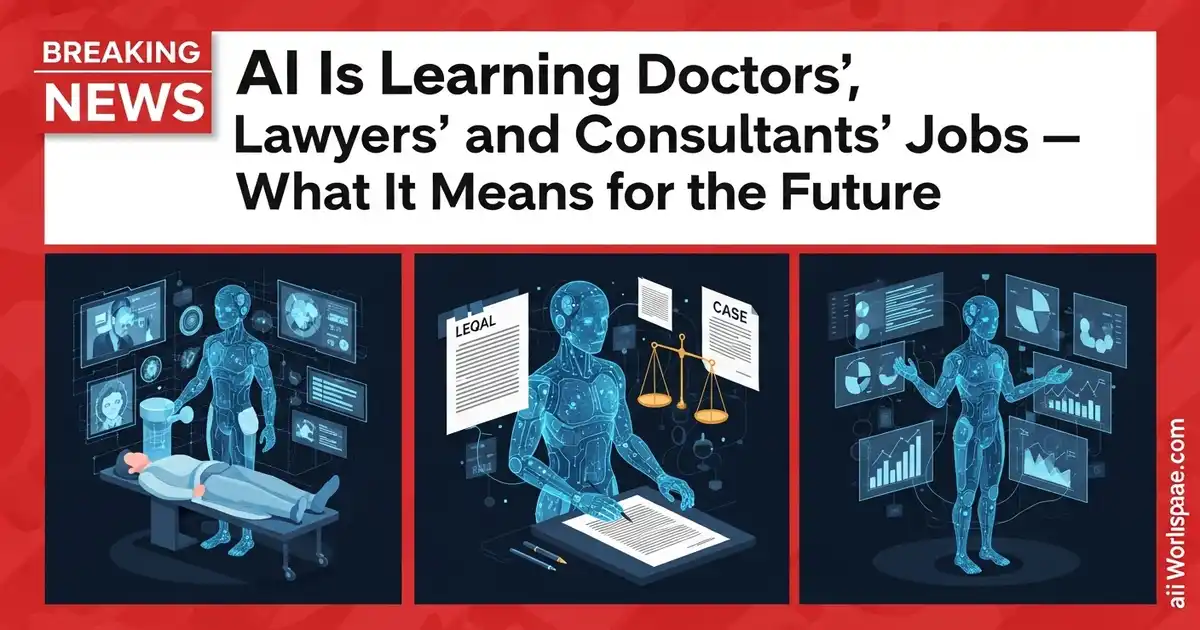
Artificial Intelligence is no longer just a back-office tool or a chatbot on your phone. Increasingly, it is stepping into roles traditionally held by some of the most highly trained professionals in society doctors, lawyers, and consultants.
Read In Hindi-क्या एआई डॉक्टर, वकील और कंसल्टेंट की नौकरी भी छीन लेगा? तस्वीर अब साफ़ होने लगी है
What once seemed unthinkable is now becoming reality, as AI systems demonstrate their ability to analyse medical scans faster than radiologists, draft contracts more efficiently than junior associates, and even offer strategic advice to corporations.

Summary:
WhatsApp has officially launched its much-awaited Message Translations feature worldwide. The update allows users to instantly translate messages within chats, groups, and channels, with full privacy protection through on-device processing.
WhatsApp Introduces Built-In Message Translations Feature Globally— Here’s What Changes
Can AI Really Replace Professionals?
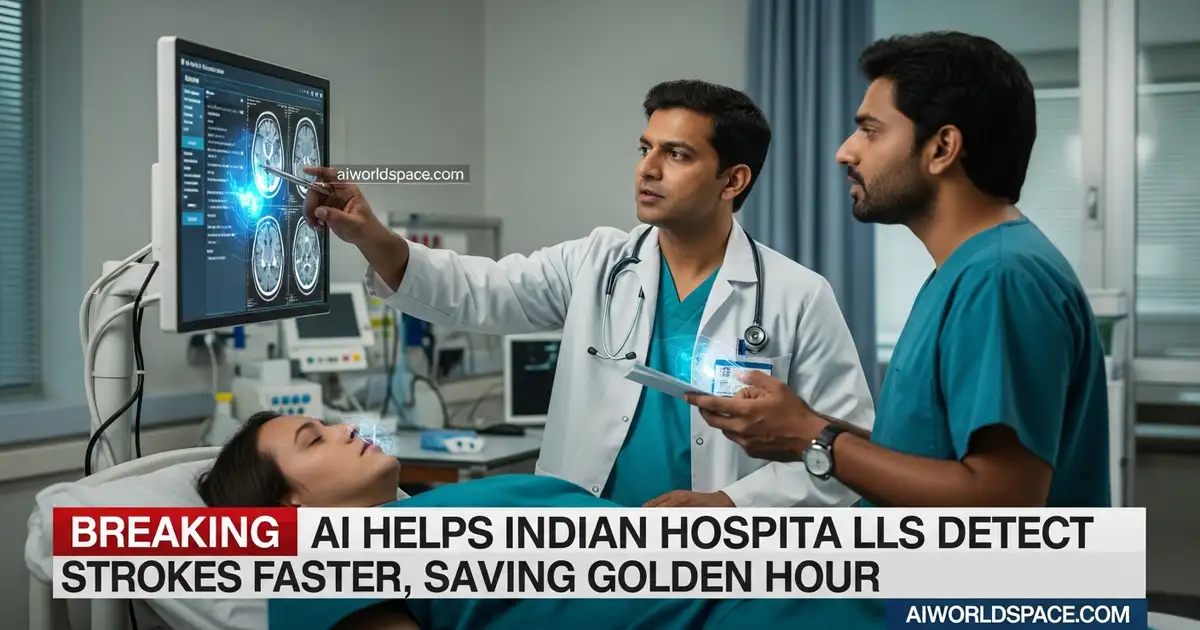
Healthcare has become one of the most striking examples. AI-powered platforms are now capable of diagnosing certain cancers with accuracy rates that rival human specialists.
Startups in India, the US, and Europe are already piloting AI tools that help physicians interpret scans in seconds, offering a crucial edge in early detection. Doctors stress that these systems are not meant to replace them entirely but to act as “copilots” yet the speed and scale suggest that replacement is at least technically possible.
Summary:
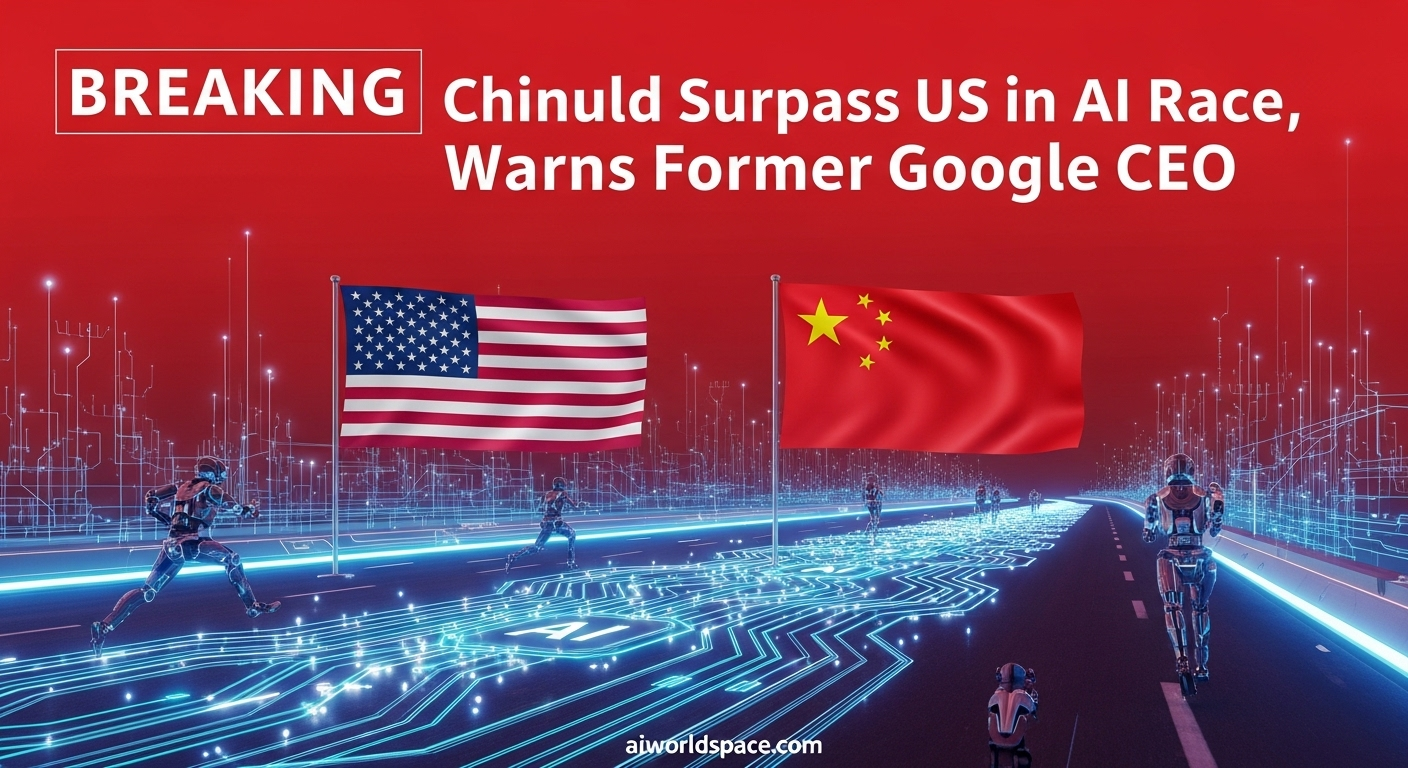
Eric Schmidt, former CEO of Google, has raised a red flag about the US losing its lead in artificial intelligence. He warns that China could quietly surpass the US in AI development if America does not accelerate innovation and regulations.
China AI Race: China May Secretly Overtake US in AI Race, Warns Former Google CEO
In the legal sector, large language models are increasingly being trained on vast libraries of case law. Some firms are using AI to prepare draft briefs and due diligence reports, work that was once the domain of junior lawyers billing hundreds of dollars an hour. A handful of corporate clients are even experimenting with AI “legal assistants” to cut costs.
Consulting, too, is under pressure. AI tools can now crunch complex datasets and simulate strategic scenarios for multinational corporations. What once took weeks of research by human consultants can sometimes be generated overnight by an algorithm.
Why This Matters for the Future of Work
The entry of AI into high-status professions flips the script on automation. For decades, technology displaced factory and clerical jobs while sparing the elite professions.
Summary:
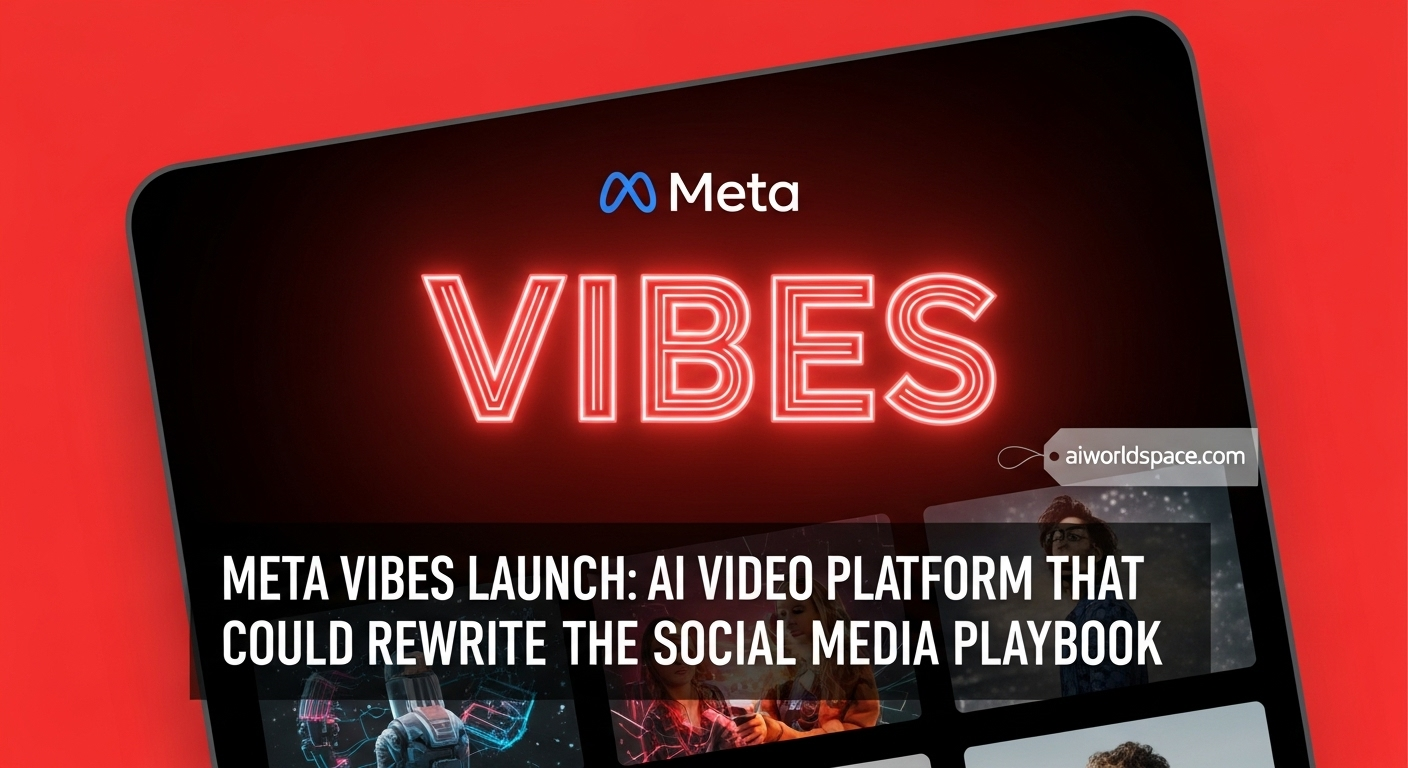
Meta has introduced Vibes, its new AI video creation tool that promises to make video production as simple as writing a sentence. The move signals Meta’s biggest push yet into generative AI for everyday users.
Meta Vibes Launch: AI Video Platform That Could Rewrite the Social Media Playbook
Now, even those who invested years in education and training face disruption. Experts argue that this could deepen inequality a small group of tech-savvy firms and investors may capture enormous wealth while many skilled professionals see their roles eroded.
At the same time, optimists point out that AI could democratise expertise. If advanced diagnosis or legal advice becomes more affordable, millions who currently lack access could benefit. The real challenge, they say, will be ensuring fairness in who controls and profits from these technologies.
The Bigger Question
Is AI destined to replace doctors, lawyers, and consultants or will it simply reshape their work? The answer may lie in how governments, industries, and universities respond now. If regulation, training, and innovation align, AI could become an empowering tool. If not, the professions that once defined expertise may never look the same again.